Low-Temperature Polycrystalline Oxide, or LTPO, is an OLED display backplane technology developed by Apple. LTPO combines both LTPS TFTs and Oxide TFTs (IGZO, Indium Gallium Zinc Oxide). LTPO is applicable for both OLED and LCD displays, actually, but this backplane technology is likely to be used exclusively in high-end OLED displays
In September 2014 Apple introduced the world's first device to use an LTPO backplane - the
Watch Series 4
. Compared to the current-generation Watch, the new series has a larger AMOLED display - 1.78" 448x363 on the 44 mm watch and a 1.57" 394x324 one on the 40 mm model.
Today Korean media says that Apple decided to cancel all of BOE's iPhone 15 display panel orders, and has moved all these orders to Samsung Display. Meanwhile LG Display has been approved as a supplier to only some of the iPhone models (specifically not the iPhone 15 Pro Max phone), and Samsung Display remains the only company that provides the displays for all of the iPhone 15 models.
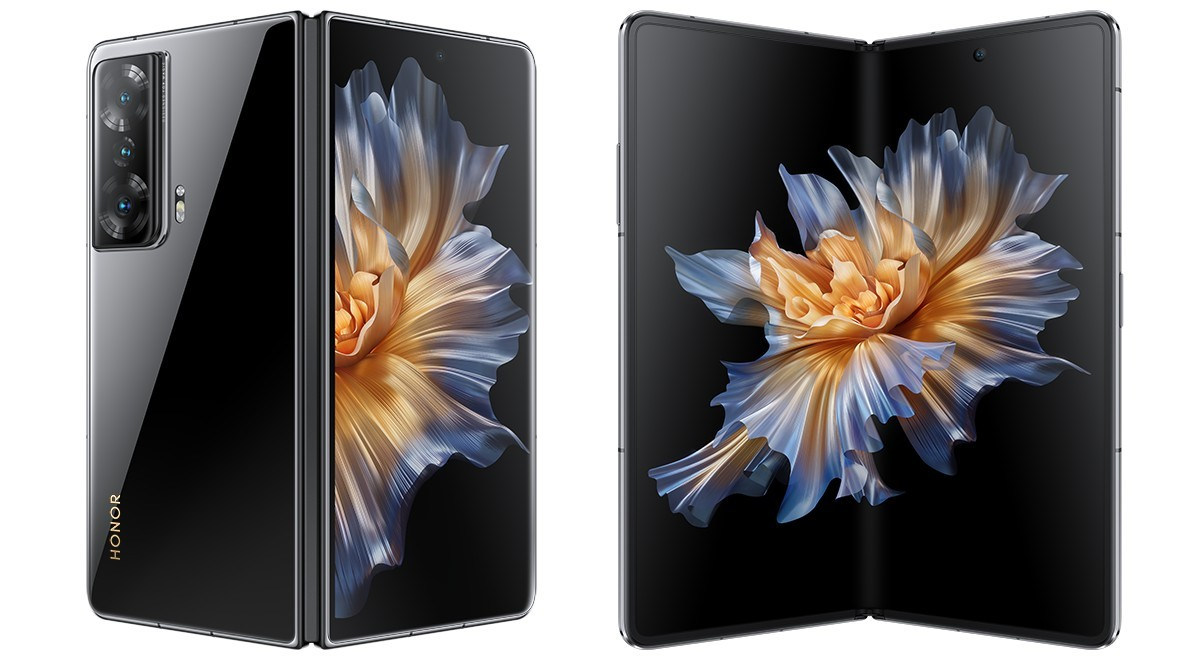
Honor started selling it
Magic V2 foldable smartphone
10 days ago, and according to online retailer JD.com, the phone was the 2nd most popular premium smartphones during the week (Apples iPhone 14 Pro is the most popular phone).
The Magic V2 model sold at JD.com costs 9,999 Yuan (around $1,400 USD). It seems as this is the first foldable that reaches high popularity in China, said to be mostly because of its thin profile and low weight (compared to other foldables). The phone is also sold at other Chinese outlets and can be
ordered internationally through Aliexpress
.
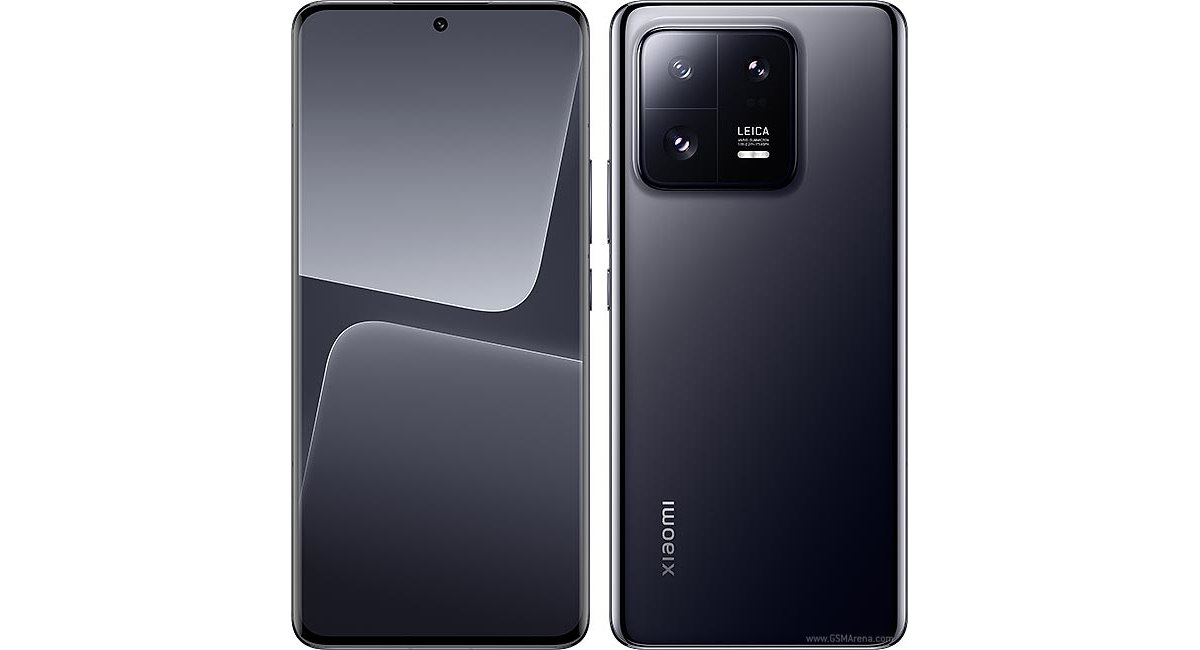
China-based Sigmaintaell, meanwhile, is optimistic on China's own OLED industry, expecting production to jump 40% in 2023. Sigmaintell says that Chinese phone makers are increasing their adoption of OLED displays in high-end and mid-range models. The company's analysts expect over 220 million Chinese OLED panels to ship in 2023, and China's OLED market share to rise to 38%, up from 28% in 2021.
This is a sponsored post by
Amorphyx
, where display industry consultant Ian Hendy has interviewed Amorphyx's CEO John Brewer
Q: Can you start by telling us a little about what Amorphyx does, John?
Amorphyx has several fundamentally new technology platforms that provide for TFT performance improvements in three areas: (1) Switching speeds, with options to move to the Tera-Hz range ultimately, (2) Power, where the IGZO AMeTFT can achieve even lower power performance than today’s LTPO OLED Pro Motion displays and better refresh range, and (3) Small transistor size.
Our technology platforms are lower cost than the alternatives, and move from amorphous and crystalline semiconductor approaches, to devices based on different effects that do not have a semiconductor at all, yet can still drive a display, drive current, deliver grey scale and switch very fast. Or they can operate a flex IC at higher clock speeds than known today.
For now, our main commercial focus is on IGZO AMeTFT which is fundamentally a potential replacement transistor for LTPS or LTPO used in modern OLED phones and has the capability to replace more highly compensated LTPO circuits in modern Smartphone displays due to enhanced stability.
TCL (CSoT) announced that the company has finalized the development of several new OLED technologies, which has been deployed at the company's production lines.
The first technology is LTPO, or Low-Temperature Polycrystalline Oxide, an OLED backplane technology developed originally by Apple. LTPO enables variable refresh rates, and TCL's technology can support a wide range of frequencies, from 1Hz to 144Hz.
According to reports from Korea, Apple has started to sign agreements regarding the supply of OLED displays for the next iPhone model (iPhone 14). As always, the main supplier will be Samsung Display, which will supply 80 million units of its latest LTPO AMOLED display (M12 stack) to Apple.
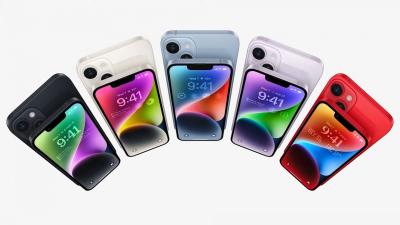
Apple is set to release four iPhone models. The iPhone 14 (6.1-inch), 14 Plus (6.7-inch), 14 Pro (6.1-inch) and 14 Pro Max (6.7-inch).
Towards the end of 2021, it was reported that
Visionox has finalized its LTPO R&D project
and is ready to start producing LTPO OLED displays. The company now officially launched its first LTPO AMOLED dipslay, that can offer a dynamic refresh rate, from 1Hz to 120Hz. Visionox expects the first phones to adopt these new displays to be released soon.